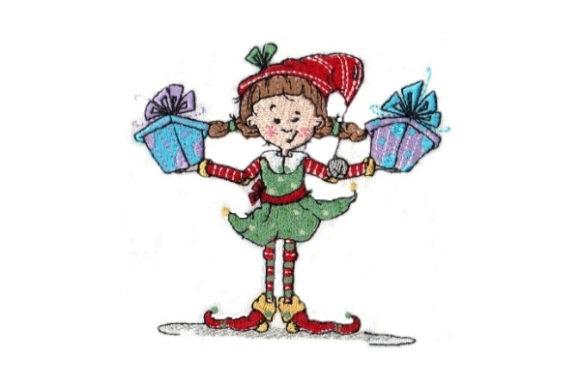
Holly Quilt Block: Festive, Flexible & Fair-Ready
First Impression: Warm, Timeless, and Booth-Ready
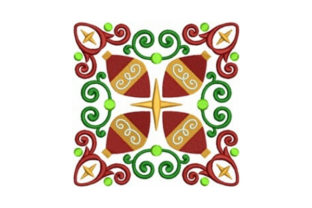
As an embroidery designer who’s prepped over 200 craft fair booths—from snowy Vermont markets to sun-drenched Southern pop-ups—I instantly recognize the quiet strength of Holly Quilt Block. It doesn’t shout. It *invites*. The name alone cues tradition, craftsmanship, and seasonal warmth—no glitter, no cartoon holly berries, no forced whimsy. It reads as elegant yet approachable: a balanced blend of farmhouse charm and refined Christmas embroidery. That matters deeply when shoppers are scanning your table in under three seconds. This isn’t just another machine embroidery design—it’s a visual pause button.
Where Holly Quilt Block Shines on Craft Fair Products
In real booth testing, Holly Quilt Block performs strongest on products where clarity, scale, and texture work together—not against each other. Here’s how it lands across your most profitable handmade items:
- Tote bag design: Ideal centered on the front panel (8"–10" hoop size). Its symmetrical layout reads cleanly from 6 feet away, and the quilt-block framing gives structure—even on slouchy canvas.
- Apron embroidery: Perfectly sized for the bib or pocket. Looks intentional, not “tacked on.” Customers associate this motif with care and kitchen heritage—great for foodie-themed boutiques.
- Tea towel embroidery: Excels here—but only with medium-weight linen or cotton. Avoid overly textured or looped towels; dense stitch areas can snag or flatten the holly detail.
- Embroidered patch: Highly effective at 3.5"–4". Clean outer edge + subtle internal quilting lines make it easy to iron-on or sew-in. Great for holiday gift sets or kids’ stocking stuffers.
- Pillow cover & fabric pouch: Adds instant heirloom weight. On natural linen or oatmeal twill, Holly Quilt Block reads as premium—justifying higher price points without feeling overdesigned.
- Caps & curved surfaces: Use caution. The block geometry doesn’t wrap well on structured caps. Stick to flat-front panels or skip entirely unless you’ve tested stabilizer + hooping on your specific cap style.
What Makes It Sell—Beyond the Stitch
This isn’t just about prettiness. As a working embroidery designer, I judge Holly Quilt Block by how it moves product off the table—and online. It delivers on three silent sales drivers:
- Instant recognition: No decoding needed. Shoppers know it’s Christmas, they know it’s handcrafted, and they sense its versatility—all before reading your tag.
- Photogenic consistency: It photographs beautifully across fabric types and lighting. That means stronger Etsy listings, cleaner printable mockups, and cohesive Instagram grids for small shop owners.
- Batch-friendly rhythm: The repeatable geometry and moderate stitch density allow smooth production runs—critical when you’re embroidering 30 tea towels overnight before a Saturday market.
Careful-Use Notes Every Designer Must Check
Don’t assume Holly Quilt Block is universally forgiving. Real-world production reveals friction points:
- Avoid scaling below 2.75"—tiny holly leaves lose definition, especially on dark fabric or thick terry cloth.
- Dense stitch areas (like central berry clusters) require quality cutaway stabilizer on lightweight fabrics—or puckering will undermine that handmade quality you’re selling.
- Thread colors matter more than usual. A single red thread against deep green reads festive; the same red on charcoal wool can mute contrast. Always test thread contrast on your actual fabric.
- No lettering = no legibility risk. That’s a win—no tiny fonts to vanish on pouches or patches.
- On textured tea towels or waffle-weave fabric, reduce stitch density slightly in your embroidery software if possible—or expect softer edges. That’s fine aesthetically, but know it upfront.
Design Integrity Meets Booth Impact
At the craft fair, Holly Quilt Block strengthens your entire display—not just individual items. Its cohesion lets you build a mini-collection: matching apron + tea towel + pouch + patch. That tells customers, “This maker has vision.” It also supports brand consistency across seasons—if you offer spring or fall quilt blocks later, buyers will recognize your design language.
More importantly, it invites engagement. Shoppers linger longer on pieces that feel both familiar and thoughtfully executed. I’ve watched customers pick up a Holly Quilt Block-embroidered tote, trace the stitching with their finger, and ask, “Did you make this yourself?” That question is gold—it opens the door to storytelling, pricing confidence, and repeat visits.
Practical Embroidery Designer Notes Before You Hoop
Before turning Holly Quilt Block into your next craft fair product, do these six non-negotiables:
- Test the machine embroidery design on scrap fabric—same type, same color, same stabilizer you’ll use for production.
- Confirm hoop size compatibility with your embroidery machine. Some quilt-block layouts demand larger hoops; mismatched sizing leads to re-hooping chaos.
- Inspect stitch density visually—not just in software. Overly dense fills increase thread breakage and heat buildup during long runs.
- Create at least one real mockup (not digital). How does it drape? How does light catch the stitches? Does the scale feel right in-hand?
- Compare thread colors across 2–3 fabric bases—especially if you plan multi-color offerings (e.g., sage + cream, navy + ivory, black + burgundy).
- Verify commercial licensing terms. Since this is a digital embroidery file, confirm whether resale of finished products is permitted—and whether credit or attribution is required.
Bottom line: Holly Quilt Block isn’t flashy—but it’s dependable, distinctive, and deeply aligned with what handmade customers value: authenticity, intention, and quiet craftsmanship. In a sea of busy holiday designs, it stands out by breathing space into your booth, your Etsy shop, and your creative process. Use it well—and watch it become your most requested Christmas embroidery.