Sassy Polly Elf: A Business-Ready Holiday Embroidery Design
First Impression: Playful, Polished, and Professionally Festive
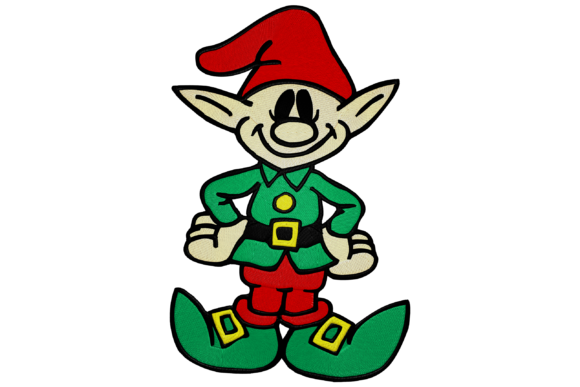
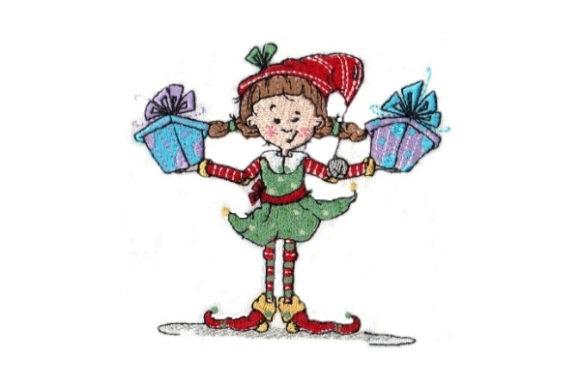
As an embroidery designer who’s developed hundreds of commercial designs for small businesses, my first reaction to Sassy Polly Elf is immediate: it delivers holiday charm without sacrificing polish. The name alone hints at personality—sassy suggests wit and confidence; Polly evokes approachability; Elf anchors it firmly in Christmas cheer. This isn’t a generic snowman or candy cane—it’s a character-driven machine embroidery design with built-in storytelling. For a café, florist, pet brand, or handmade studio, that narrative spark matters. It feels handmade yet refined—friendly enough for a bakery apron, bold enough for a boutique tote bag, and distinctive enough to stand out on Etsy listings or local event merch.
Real-World Performance Across Small Business Merch
Sassy Polly Elf shines where many holiday designs falter: versatility without visual compromise. As an embroidered patch, its balanced proportions hold up beautifully at 2”–3” sizes—ideal for jacket lapels, staff uniform sleeves, or branded product packaging accents. On aprons and work shirts, the design reads clearly even when stitched on textured cotton or linen blends, especially when paired with medium-weight cutaway stabilizer. For cap embroidery, I recommend placing it on the front panel—not the curved bill—where its clean outlines and moderate stitch density avoid puckering or thread breakage.
On tote bags and reusable shopping sacks, Sassy Polly Elf adds instant brand warmth without overwhelming. Its scale works well centered or subtly angled near the handle seam—great for craft business assets or customer gift bundles. When used as a chest logo accent on staff uniforms (think bakeries or florists), it reinforces team identity while keeping things light and seasonal. And because it’s designed for multi-format use, integrating Sassy Polly Elf into your digital embroidery file library means quick swaps between blackwork mockups, gold metallic thread variants, or high-contrast combos for dark uniforms.
Where to Use It Thoughtfully—Not Everywhere
Like any strong design, Sassy Polly Elf has boundaries—and recognizing them protects your brand’s professionalism. Avoid shrinking it below 1.5” for embroidered patches: fine details (like elf ears or facial expression cues) may blur or vanish entirely. Cap fronts with tight curvature demand careful digitizing—verify that the original embroidery file maintains clean spacing and no overlapping stitches in those zones. On highly textured fabric (burlap, heavy twill, or fleece), test stitch density first: too many fills in tight areas can cause stiffness or distortion in the finished product.
Also consider context: if your brand leans minimalist or luxury (e.g., a ceramic studio or apothecary), Sassy Polly Elf might feel tonally mismatched unless stylized with restrained thread colors—think charcoal grey and cream instead of neon green and silver. And for items subject to frequent washing (staff aprons, kids’ apparel), confirm the embroidery file uses secure underlay and satin-stitched borders—not just fill stitches—to prevent fraying over time.
How Sassy Polly Elf Strengthens Your Brand Identity
For small business owners, every embroidered detail contributes to perceived value and trust. Sassy Polly Elf doesn’t just say “we celebrate Christmas”—it says “we celebrate *our* customers with personality and care.” That subtle distinction builds recognition: regulars at your café will spot the elf on your barista’s sleeve and smile; Etsy buyers remember the playful charm on your handmade soap packaging. Consistent use across aprons, tote bags, and staff caps creates visual cohesion—turning scattered merchandise into a unified brand experience.
Crucially, Sassy Polly Elf supports handmade presentation without looking amateurish. Its balanced line weight, intentional negative space, and expressive silhouette signal craftsmanship—not clipart. That perception lifts perceived product value, especially for premium-priced goods or curated gift sets. And because it’s inherently shareable (think Instagrammable coffee sleeves or festive pet bandanas), it fuels organic buyer engagement—no extra marketing spend required.
Practical Designer Notes Before You Stitch
Before committing Sassy Polly Elf to production, run these checks:
- Test in black and white first. Print a grayscale version to assess contrast, spacing, and silhouette clarity—especially important for dark fabrics or low-light retail environments.
- Verify small-patch viability. Resize the embroidery file to your target patch dimension (e.g., 2”) and inspect stitch paths in your editing software—look for jagged edges or collapsed letterforms.
- Review thread color contrast. High-visibility pairings (navy + gold, burgundy + ivory) boost recognition on uniforms and tote bags; avoid low-contrast combos like light green on khaki.
- Confirm hoop size and stabilizer needs. If the design requires large hoops or specialty backing, factor that into your production workflow—especially for high-volume orders.
- Test on real fabric. Run a sample on your exact apron material or cap twill—not just a scrap. Fabric texture changes how stitches lay and how dense areas behave.
- Create a printable mockup for client approval. Present Sassy Polly Elf alongside your other design assets so stakeholders visualize consistency across touchpoints.
- Compare side-by-side with existing logos or icons. Does it complement—or compete with—your primary brand mark?
- Confirm commercial licensing. Since this is a digital embroidery file intended for small business merch and branded patch use, ensure your purchase includes rights for resale, promotional use, and commercial embroidery projects.
Bottom line: Sassy Polly Elf isn’t just another Christmas embroidery file. It’s a flexible, audience-aware asset—one that balances festive spirit with professional execution. When applied intentionally, it elevates custom apparel, strengthens brand identity, and turns everyday merchandise into memorable moments. For embroidery shops, Etsy sellers, and creative studios building their own product lines, that kind of return on stitch count is rare—and worth every thread.