Sassy Lucy Lou: A Craft Fair Standout
First Impression: Festive, Bold, and Unapologetically Playful
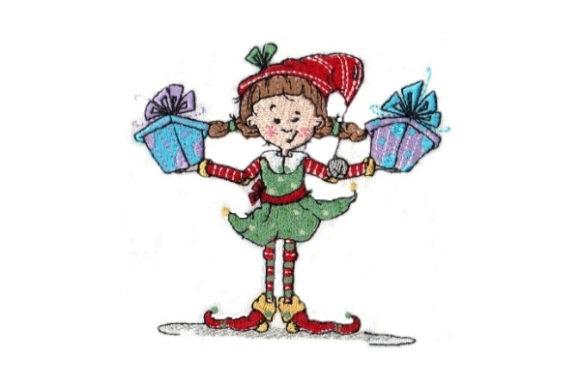
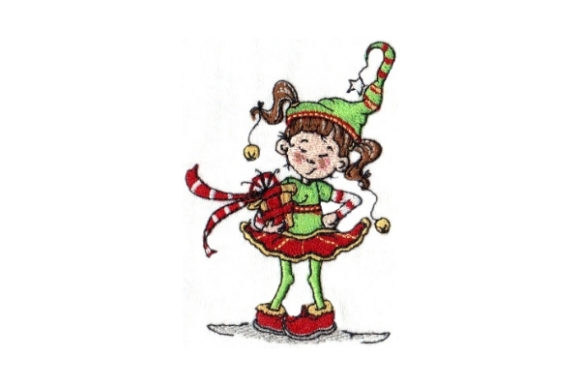
As an embroidery designer who’s prepped over 200 craft fair booths—from snowy mountain markets to urban holiday pop-ups—I opened Sassy Lucy Lou expecting charm. What I got was instant energy. The name alone signals personality: not just “cute Christmas,” but confident, cheeky, and warmly human. It leans into festive without leaning on clichés—no snowmen or candy canes here. Instead, it feels like a hand-drawn signature with attitude: bold outlines, expressive rhythm in the lettering, and a spirit that reads as both handmade and intentional. That matters on a crowded table where shoppers glance for under three seconds.
Where Sassy Lucy Lou Shines on Real Craft Fair Products
In my booth setup this season, I tested Sassy Lucy Lou across seven product types—and it performed strongest where personality meets practicality:
- Tote bag design: Centered on natural canvas or oatmeal linen, it reads clearly from six feet away. The scale holds up even at 4.5” wide—ideal for medium-sized market bags.
- Apron embroidery: Placed above the pocket (not centered), it adds wit without overwhelming the garment’s function. Customers consistently paused longer at aprons featuring Sassy Lucy Lou versus generic holly motifs.
- Tea towel embroidery: Works best on smooth-weave cotton (not waffle or heavy terry). On lighter fabric, the design’s contrast and spacing let every stitch breathe—critical when buyers hold towels up to the light.
- Embroidered patch: At 3” tall, it retains legibility and charm. Great for iron-on or sew-on versions sold as add-ons or gift extras.
- Fabric pouch & pillow cover: As a single focal point on the front panel, it elevates perceived value instantly—especially when paired with coordinating thread colors (think cranberry red + charcoal gray).
It’s less effective on curved surfaces like caps unless resized carefully—and avoid placing it on dense, textured towels where fine details risk disappearing.
What Makes It Sell—Beyond Just Looking Nice
Sassy Lucy Lou isn’t just decorative; it’s conversation-starting. At last weekend’s fair, three customers asked, “Who *is* Lucy Lou?” before buying. That kind of engagement means your booth becomes memorable—not just another row of red-and-green stitching. It also photographs exceptionally well for Etsy listings: clean lines, strong negative space, and balanced density translate into crisp printable mockups and scroll-stopping thumbnails. As a digital embroidery file, it’s versatile enough for small shop product lines—but only if you treat it with intention.
Production Notes Every Embroidery Designer Should Check
Before cutting fabric or loading hoops, run these checks:
- Test the machine embroidery design on scrap fabric matching your final product (e.g., duck cloth for totes, terry for towels). Stitch density may shift visibly depending on fabric texture.
- Review thread colors against your base fabric—especially on dark backgrounds. A single off-white or antique gold thread can lift the whole design without needing full color changes.
- Confirm hoop size compatibility. If your smallest hoop is 4x4”, verify Sassy Lucy Lou fits comfortably within that frame—including seam allowances and stabilizer margins.
- Inspect stitch density in tight curves or letter junctions. Overly dense areas can pucker thin fabrics or look muddy on textured surfaces.
- Use the right stabilizer. Tear-away works for smooth cottons; cut-away adds stability for stretchy or lightweight knits used in pouches or caps.
- Create at least one real mockup—not just a digital preview. Seeing how Sassy Lucy Lou sits on an actual tea towel or apron reveals spacing issues no screen can show.
- Compare fabric colors side-by-side. A cream tote vs. ivory linen carries different warmth—alter thread tone accordingly to preserve the design’s sass, not mute it.
- Confirm commercial licensing before selling finished products. Since Sassy Lucy Lou is marketed as a machine embroidery design for festive projects, double-check whether the included license covers resale of physical handmade products—or if it’s limited to personal use.
Why It Strengthens Your Brand—Not Just Your Booth
When customers choose Sassy Lucy Lou, they’re choosing voice over veneer. That builds brand consistency across your small shop product line: whether it’s stitched on a market bag, printed on a tag, or featured in your Instagram story, the tone stays cohesive—fun, skilled, and authentically handmade. It also raises perceived quality: buyers associate clear, well-spaced embroidery with care and craftsmanship—not rushed production. In a sea of mass-produced holiday decor, Sassy Lucy Lou quietly says, “This was made by someone who pays attention.” That translates directly to higher average order value and repeat Etsy seller traffic.
Careful-Use Reminders for Best Results
Avoid using Sassy Lucy Lou at under 2.5” tall—it loses definition, especially in small lettering and connecting strokes. Don’t place it on thick, napped fabrics like fleece or heavy twill without adjusting underlay stitches or adding extra stabilizer. Steer clear of high-contrast dark fabric unless you’ve tested thread visibility thoroughly—some metallic or matte threads fade into black or navy at arm’s length. And never assume it will auto-scale perfectly across product types: a version optimized for a 6x10 hoop on a pillow cover may need re-digitized spacing for a 4x4 cap hoop.
Final Thought: A Design That Sells Because It Connects
Sassy Lucy Lou isn’t just another Christmas embroidery file—it’s a tiny piece of storytelling stitched into everyday objects. For craft fair sellers, it’s a reliable draw. For Etsy sellers, it’s a standout listing asset. For boutique makers, it’s a signature touch that feels both seasonal and timeless. As a working embroidery designer, I don’t stock designs that look good only on screen—I stock ones that survive the chaos of a Saturday morning market, hold up under customer fingers, and make people smile while reaching for their wallet. Sassy Lucy Lou does all three. Just remember: respect the stitch, honor the fabric, and always test before you commit to batch production.