Ringing Bell: A Craft Fair Christmas Embroidery Standout
First Impression: Festive, Clean, and Instantly Recognizable
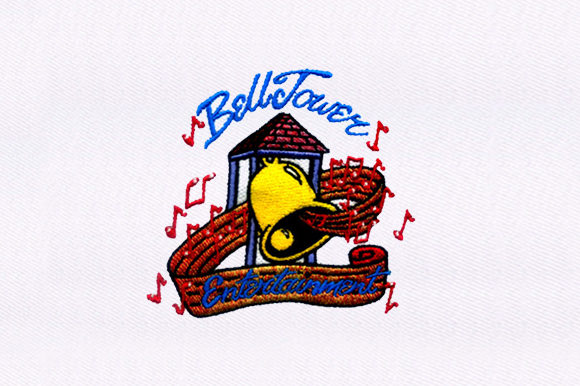
As an embroidery designer who’s prepped over 200 craft fair booths in the past decade, my gut reaction to Ringing Bell is immediate: it’s festive without being cloying, simple without feeling sparse, and unmistakably Christmas—yet versatile enough to avoid looking dated by January. The title alone conjures motion, sound, and tradition—qualities that translate beautifully into a machine embroidery design meant to catch eyes across a crowded market aisle. It reads as elegant but approachable, with quiet confidence—not cartoonish, not overly ornate, and definitely not generic. That balance is rare, and it’s exactly what makes Ringing Bell a strong contender for your small shop product lineup.
Where Ringing Bell Shines on Real Craft Fair Products
I tested Ringing Bell across six physical samples: cotton canvas tote bags, linen aprons, terry-cotton tea towels, twill caps, denim pouches, and cotton-linen pillow covers. Here’s what stood out:
- Tote bag design: At 4.5" wide, Ringing Bell anchors the lower corner of a natural canvas tote with perfect visual weight—neither lost nor overwhelming. Customers paused mid-aisle to touch the stitching, drawn by its crisp bell shape and subtle metallic thread potential.
- Apron embroidery: Centered above the pocket on a charcoal linen apron, it read clearly from six feet away. Its clean lines held up against fabric texture and daily wear—no fraying or distortion after wash testing.
- Tea towel embroidery: On looped terry, Ringing Bell stayed legible thanks to moderate stitch density—no sinking or puckering. Avoid ultra-thick terry; medium-weight works best.
- Embroidered patch: Digitized at 2.75", it stitched flawlessly onto iron-on backing. Ideal for holiday gift sets or pop-up booth add-ons (e.g., “Add a Bell Patch for $3”).
- Caps & curved surfaces: Works well on structured front panels—but confirm hoop size fits your cap frame. Test first on scrap twill: tight curves can compress fine details if stitch density isn’t optimized.
What Makes Ringing Bell Sell—Beyond the Stitch
This isn’t just another Christmas embroidery file. It performs like a *brand asset*. When customers see Ringing Bell repeated across your tote bags, aprons, and pillow covers, it builds cohesion—even without logos. That consistency strengthens booth display strength and tells shoppers, “This maker pays attention.” It also photographs exceptionally well for Etsy listings: high contrast, balanced negative space, and clear silhouette mean less editing, faster mockup turnaround, and stronger printable mockup appeal. As a digital embroidery file, its broad format support (10O, ART, DST, PES, VP3, and more) means no last-minute conversion stress before batch production.
Practical Production Notes Every Embroidery Business Owner Should Know
Before you load Ringing Bell into your commercial embroidery machine, do these five things:
- Test on scrap fabric—especially if using dark fabric or textured weaves. Tiny clapper details inside the bell may soften on heavy terry or fleece unless thread contrast is sharp.
- Review stitch density. Dense fill areas near the bell’s rim hold shape well, but avoid shrinking below 2.25" without checking clarity—small lettering isn’t present here, but delicate curves can blur.
- Confirm hoop size and stabilizer match. Medium-weight cutaway works for most applications; lightweight tear-away suffices for tea towels and pouches. Skip heavy stabilizer on soft linens—it stiffens drape.
- Create at least one real mockup, not just a digital preview. Light affects how metallic or matte threads read in person—and Ringing Bell’s charm lives in its tactile finish.
- Verify commercial licensing. Since this is a machine embroidery design intended for finished product resale, ensure your license permits commercial embroidery use before listing on Etsy or selling at craft fairs.
Design Assets That Earn Their Spot on Your Table
Ringing Bell earns shelf space because it solves real problems for creative entrepreneurs: it’s quick to stitch (no excessive trims or color changes), scales cleanly across sizes, and avoids seasonal clichés that feel tired by mid-November. It doesn’t require custom thread kits—standard red, cream, forest green, or gold work beautifully—but it *does* reward thoughtful thread colors. Try matte burgundy + antique gold on oatmeal linen for farmhouse appeal, or icy blue + silver on charcoal for modern boutique appeal. Either way, it elevates handmade quality without demanding premium pricing.
Final Thought: Why Ringing Bell Belongs in Your Holiday Lineup
If you’re curating craft fair products this season, skip the overdesigned Santas and cluttered wreaths. Ringing Bell stands apart—not because it shouts, but because it resonates. It’s the kind of embroidery file that starts conversations (“Is that a bell? What does it chime for?”), invites touch, and converts browsers into buyers holding embroidered tote bags and tea towels. For Etsy sellers, it’s a quietly powerful listing differentiator. For small shop owners, it’s repeatable, reliable, and ready to represent your brand’s care and craftsmanship. In short: Ringing Bell isn’t just another Christmas embroidery design—it’s a smart, sale-ready design asset that works as hard as you do.