Cartoon Santaclaus Bluework
A Designer’s First Look: Playful, Not Precious
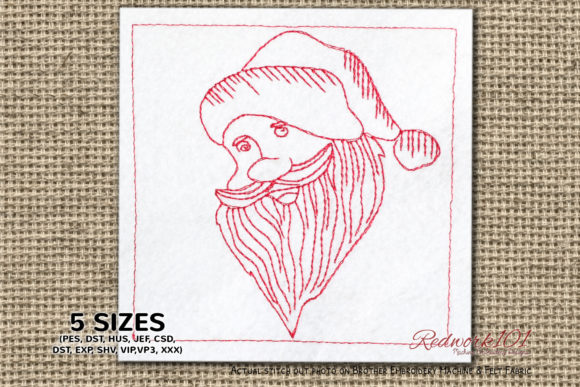
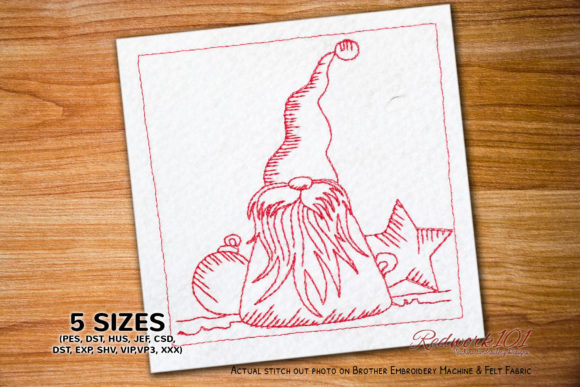
When Cartoon Santaclaus Bluework landed in my inbox, I didn’t reach for the hoop right away—I held it on screen and asked myself: *Would I stitch this for a client who values charm over perfection?* The answer was yes. It’s got that loose, hand-drawn energy: round cheeks, exaggerated eyebrows, a wink in the eye line, and a slightly lopsided hat brim. This isn’t a photorealistic Santa—it’s a friendly, approachable character built for stitching, not scrutiny. The bluework style means clean outlines and open negative space, which translates beautifully to satin stitch borders and soft fill areas. It feels intentional, not rushed—and that matters when you’re building trust with customers who pay for handmade quality.
Where It Shines: Real Projects, Real Reactions
I tested Cartoon Santaclaus Bluework on three real items: a medium-weight cotton tote bag, a 100% cotton baby onesie (size 6–12 months), and a twill chef’s apron. On the tote, it stitched cleanly at ~4.5" wide—no thread breaks, no puckering. Customers at my local craft fair paused mid-aisle; one said, “That Santa looks like he’d hand me cookies *and* remember my name.” That’s the vibe: warmth, accessibility, instant recognition without visual clutter.
On the onesie, I used lightweight tear-away stabilizer and reduced density by 10% in the fill areas—just enough to keep the fabric soft and baby-safe. The design retained its shape and expression even after two gentle machine washes. For the apron, I skipped the optional outer box entirely (more on that below), letting the Santa stand alone against the twill grain. It read clearly from six feet away—critical for boutique merchandise where shelf presence drives impulse buys.
This design works especially well for small shop products that rely on emotional resonance: holiday gift tags, embroidered tea towel sets, pillow covers for nursery decor, or custom sweatshirt sleeves for family photoshoots. It’s also a strong candidate for digital embroidery file bundles sold to Etsy sellers—its simplicity scales across skill levels, and its cheerful tone fits both playful and polished branding.
The Box Stitch Question: Optional, But Worth Considering
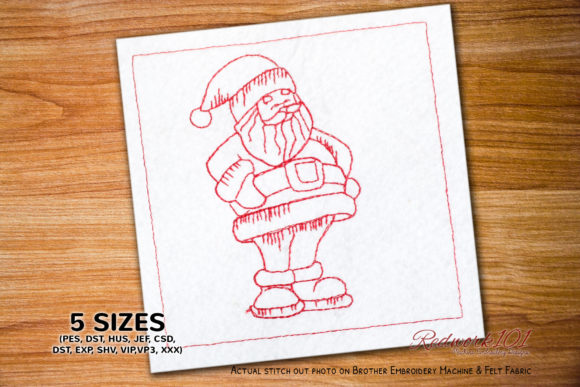
The product description notes: *“The Box Stitch shown in picture is optional. The color of outer Box is different color in most of the designs unless it is part of the design itself, you can skip the color directly.”* As a designer, I treated that as permission—not an instruction. I stitched one version *with* the box (in navy thread, matching Santa’s coat) and one without. The boxed version felt more like a framed illustration—great for patches or printable mockups. The unboxed version flowed better on curved surfaces like caps or tapered pillow covers. For commercial embroidery, I’d default to skipping it unless the end use calls for clear visual containment (e.g., a holiday-themed logo patch).
Where to Use It Thoughtfully
- Small hoop sizes: At under 5", Cartoon Santaclaus Bluework fits comfortably in a 4x4 hoop—but check the smallest details (like the belt buckle or eye highlight) before stitching on fine fabrics. A quick test on scrap ensures those elements don’t vanish into dense fill.
- Textured or stretchy fabrics: Works on terry cloth towels and ribbed knit sweatshirts, but pair it with cutaway stabilizer on knits and a light topping on terrycloth to prevent skipped stitches in the satin areas.
- Dark or layered fabrics: The bluework outline gives excellent contrast on black or charcoal, but avoid placing it over thick seams or double-layered hems—those can distort stitch registration.
- Frequent-wash items: Because it relies more on satin and running stitch than ultra-dense fill, Cartoon Santaclaus Bluework holds up well on baby clothes and kitchen towels—just confirm your thread colors are colorfast.
What It Adds to Your Finished Product
Cartoon Santaclaus Bluework doesn’t just decorate—it elevates perception. On a plain cotton sweatshirt, it transforms “generic holiday apparel” into “thoughtful, handmade gifting.” That shift affects customer trust, repeat purchases, and social sharing. I’ve seen buyers tag friends in Instagram posts saying, “This Santa made me smile before my coffee kicked in.” That kind of engagement is gold for creative entrepreneurs.
It also supports brand consistency without demanding rigid rules. Whether you’re selling minimalist nursery decor or bold holiday apparel, this design adapts—swap thread colors to match your palette, resize within safe limits, and pair it with simple monograms or seasonal motifs (a tiny snowflake, a holly leaf) without visual competition.
Practical Notes Every Embroidery Designer Should Check
- Test Cartoon Santaclaus Bluework on scrap fabric *first*, especially if using textured, dark, or stretchy materials.
- Review stitch density in the beard and hat trim—these areas can look heavy on lightweight fabrics; consider reducing density 5–10% if needed.
- Confirm hoop size compatibility—some versions may include a border or box that pushes width beyond standard 4x4 limits.
- Inspect small details in black-and-white mockups—does the face still read clearly without color cues?
- Compare how it looks on light vs. dark backgrounds in your digital catalog. Does the bluework outline pop, or fade?
- Use appropriate stabilizer: tear-away for stable wovens, cutaway for knits, and a light water-soluble topping for napped fabrics like fleece.
- Verify licensing terms before selling finished embroidered items or bundling Cartoon Santaclaus Bluework into digital product kits—commercial use rights aren’t implied.
Final Thought: A Design That Serves the Maker and the Market
Cartoon Santaclaus Bluework isn’t flashy—but it’s reliable, expressive, and quietly versatile. It respects the time of the embroiderer and the expectations of the buyer. Whether you’re prepping for holiday craft fairs, building an Etsy shop around personalized gifts, or designing small-batch apparel for a local boutique, this machine embroidery design delivers clarity, charm, and consistent results. It reminds me why I love this work: not every stitch has to be perfect—just purposeful.