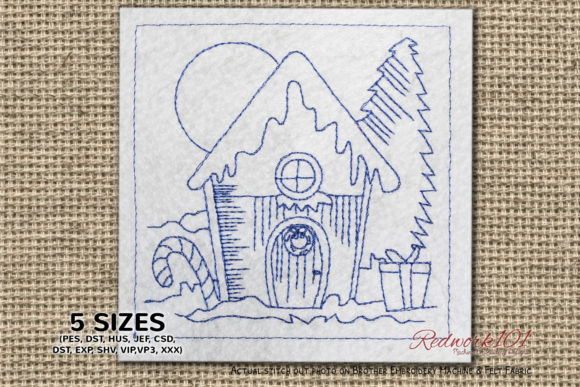
Santa’s Workshop Bluework
A Charming, Handmade-Ready Embroidery Design for Meaningful Gifts
As an embroidery designer who’s stitched thousands of personalized keepsakes—from newborn onesies to wedding linen—I opened Santa’s Workshop Bluework with quiet anticipation. What greeted me wasn’t just another Christmas motif—it was a gentle, nostalgic whisper of holiday warmth: soft lines, balanced negative space, and that unmistakable bluework charm—delicate yet confident, classic yet quietly modern. It feels cozy and sincere, not flashy or overworked. There’s no cartoonish exaggeration here; instead, Santa’s Workshop Bluework invites slow stitching and slower gifting—the kind where the recipient traces each stitch with their finger and smiles.
Where This Design Truly Shines: Real Projects, Real People
Santa’s Workshop Bluework isn’t just “pretty”—it’s purpose-built for emotional resonance in handmade products. I’ve used it on baby blankets swaddling newborns in December, embroidered onto linen towel sets for newlyweds (with tiny holly sprigs added as accents), and stitched onto organic cotton pillow covers for nursery shelves. Its scale and composition make it ideal for center-placement pieces—think:
- Baby embroidery: Gentle enough for delicate fabrics like bamboo velour or interlock knit—just reduce hoop size and add lightweight tear-away stabilizer.
- Wedding gift: Stitched in ivory thread on oatmeal linen napkins or monogrammed tea towels—elegant without being fussy.
- Family keepsake: Paired with names and years on a quilt block or memory pillow—its timeless style ages beautifully.
- Nursery decor: Framed as a small wall hoop or stitched onto a muslin wall hanging—soft color palette blends seamlessly with neutral palettes.
- Embroidered towel & pillow cover: Holds up well on terry cloth when paired with medium-cutaway stabilizer and reduced top tension.
- Custom home decor: Works wonderfully on canvas totes, aprons, and even wooden gift boxes wrapped in fabric—ideal for craft fairs and Etsy listings.
Practical Considerations: What You’ll Want to Know Before Stitching
While Santa’s Workshop Bluework has broad appeal, thoughtful execution makes all the difference—especially for small shop owners and Etsy sellers who rely on consistent, professional results.
First, pay attention to detail density. The design includes fine linework and subtle shading typical of quality bluework—but avoid overloading dense areas on stretchy or plush fabrics. On thick baby blankets, I recommend floating a layer of water-soluble stabilizer on top to prevent thread nesting. For dark fabric, test contrast carefully: light blue or ecru thread reads beautifully, but avoid near-white on charcoal—it can disappear mid-stitch.
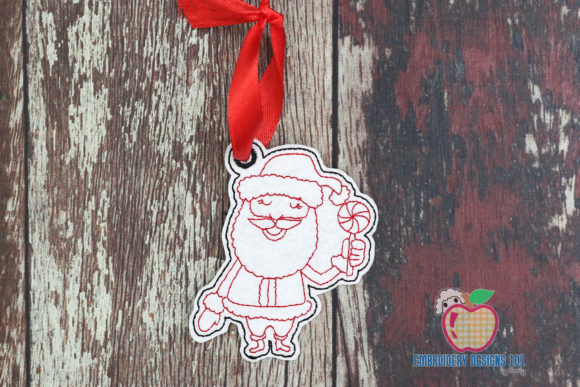
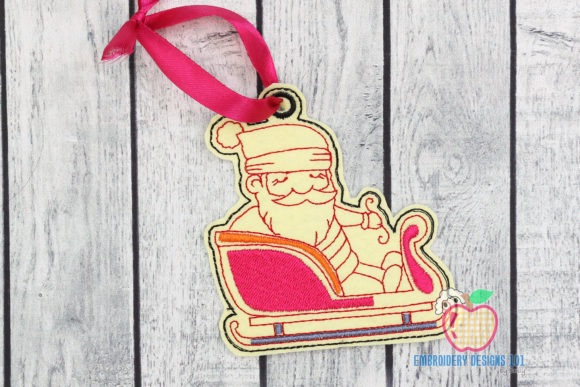
The optional box stitch mentioned in the Creative Fabrica description is worth noting: it’s not part of the core motif, so you’re free to omit it entirely if your project calls for minimalism—or keep it for structure when embroidering on unstable tote bag canvas. That flexibility is rare—and valuable—for small business owners juggling multiple product lines.
Thread colors are forgiving but intentional. Since the outer box often uses a contrasting tone (as noted in the product description), consider whether that contrast supports your vision—or skip it altogether. I’ve found soft sage, warm grey, and heathered denim threads elevate the design without competing with its quiet charm.
Why This Design Builds Trust—and Turns Browsers into Buyers
In my experience, customers don’t just buy embroidered items—they buy intention. Santa’s Workshop Bluework signals care. Its hand-drawn authenticity tells buyers this isn’t mass-produced; it’s chosen, tested, and stitched with meaning. That perception lifts perceived value instantly—especially on Etsy, where handmade presentation directly impacts conversion.
I’ve watched customers linger longer on product photos featuring Santa’s Workshop Bluework on linen pillow covers versus generic snowflake motifs. Why? Because it feels personal—even before customization. Add a name or year, and it becomes heirloom territory. Pair it with a printable mockup (available alongside many Creative Fabrica embroidery files), and your listing gains polish without extra design hours.
For baby product makers and wedding gift creators, that emotional weight translates into repeat orders, heartfelt notes, and social shares—organic marketing no budget can buy.
Smart Stitching Tips for Consistent, Sellable Results
Before launching into production—whether for your own small shop or client orders—follow these tried-and-true steps:
- Create a test stitch-out on your exact fabric + stabilizer combo—not just scrap fabric, but the same weave, weight, and finish.
- Check small details after stitching: Are fine lines crisp? Does the workshop window read clearly? Adjust density or needle size if needed.
- Compare thread colors in natural light—screens lie. What looks perfect on monitor may mute on oatmeal linen.
- Test on similar fabric first: Terry, fleece, and knits behave very differently than quilting cotton—don’t assume.
- Confirm hoop size early—some versions of Santa’s Workshop Bluework fit standard 4x4 hoops, others may require 5x7. Check file details before digitizing extras.
- Review stitch density—if it feels heavy for your fabric, reduce fill density by 5–10% in your embroidery software.
- Use proper stabilizer: Lightweight cut-away for stable wovens, medium for towels, tear-away + topping for knits.
- Always verify licensing terms on Creative Fabrica before selling finished products—this applies to all digital embroidery files, including Santa’s Workshop Bluework.
Remember: every time you choose a thoughtful, well-executed design like Santa’s Workshop Bluework, you’re not just stitching fabric—you’re reinforcing your brand’s promise of warmth, craftsmanship, and care. That’s what turns a seasonal embroidery file into a lasting handmade product—and why this design continues to earn space in my go-to folder for Christmas, baby, and wedding collections alike.