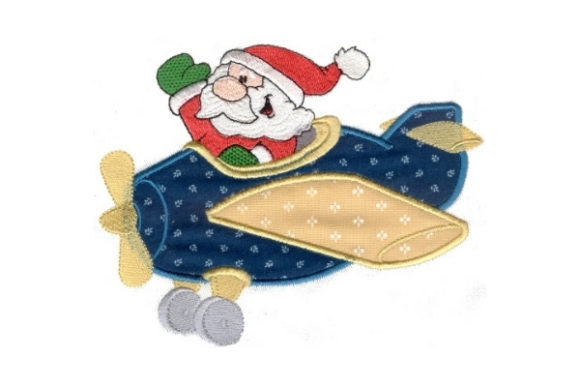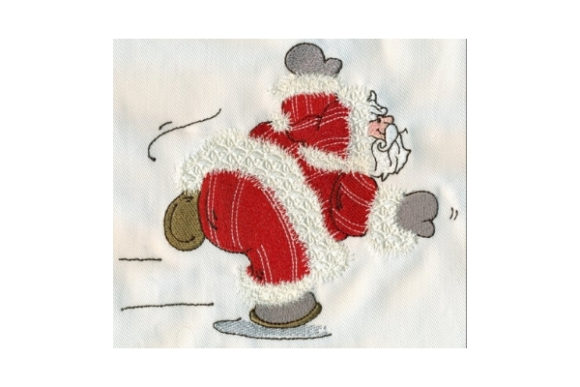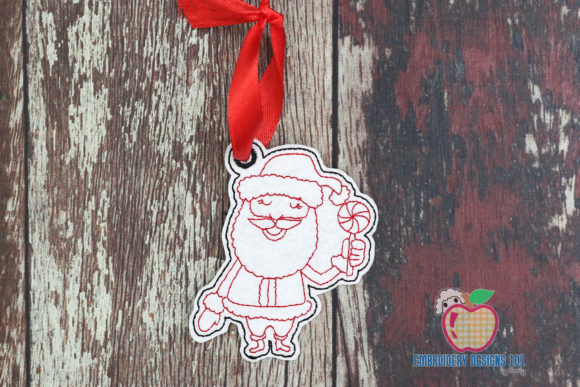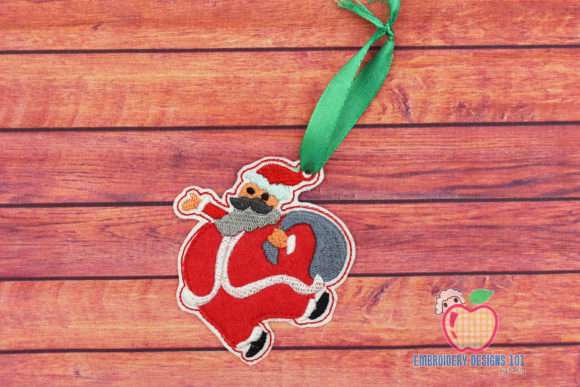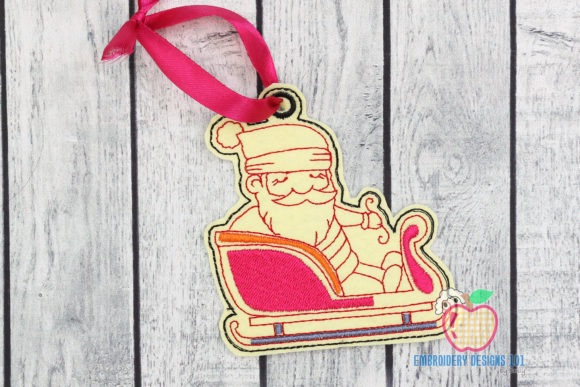
Santa Riding His Sleigh Ornaments
First Impression: Festive, Focused, and Booth-Ready
As an embroidery designer who’s prepped over 200 craft fair booths—from snowy Vermont markets to sun-drenched Southern pop-ups—I opened Santa Riding His Sleigh Ornaments expecting charm. What I got was clarity: a strong, centered Christmas narrative in a compact 4x4 hoop footprint. It reads instantly as festive—not overly cartoonish, not stiffly traditional—just warmly nostalgic with motion and joy built into the composition. That’s gold for handmade sellers. Customers scanning your table don’t pause for interpretation; they see Santa, his sleigh, and holiday energy—and that’s exactly what makes it a high-conversion craft fair product.
Where It Shines: From Booth Samples to Bestsellers
This design isn’t just an ornament—it’s a versatile machine embroidery design with serious cross-product potential. On a natural linen tea towel? It anchors the top corner beautifully—elegant but approachable, perfect for farmhouse or modern cottagecore shoppers. As an embroidered patch? Sewn onto a denim tote or canvas market bag, it adds instant personality without overwhelming the fabric. As an apron embroidery? Centered above the pocket, it becomes a conversation starter—especially when paired with red-and-cream thread colors that pop against navy or oatmeal.
For Etsy sellers and small shop owners, Santa Riding His Sleigh Ornaments works exceptionally well as a small-scale focal point: think pillow covers (6”–8” square), drawstring fabric pouches, or even lined gift tags. Its balanced proportions mean it scales down cleanly—no awkward cropping needed. And because it’s designed for the hoop, you’re not wrestling with alignment or multi-hooping on curved surfaces like caps. That saves time, reduces errors, and keeps your batch production smooth.
Photography & Online Appeal: A Digital Asset That Converts
If you’re building Etsy listings or Instagram-ready printable mockups, this design delivers. The clean silhouette, defined sleigh lines, and Santa’s recognizable shape translate crisply in photos—even on textured towels or slubby linen. No fuzzy edges. No lost detail under soft lighting. That means your digital embroidery file supports stronger visual storytelling across platforms. Pair it with a warm neutral background and a sprig of dried eucalyptus, and you’ve got scroll-stopping content for holiday launches.
It also performs well as a design asset for bundling: offer it alongside coordinating snowflake or reindeer files, or pair it with “Merry & Bright” script for a cohesive holiday collection. Buyers love curated sets—especially when each piece shares consistent stitch density and aesthetic tone.
Practical Production Notes You Can’t Skip
- Test before you commit: Run Santa Riding His Sleigh Ornaments on scrap fabric matching your final product—especially if using thick canvas, terry cloth towels, or dark denim. Stitch density can shift dramatically with fabric texture.
- Hoop size is non-negotiable: Confirm it fits your 4x4 hoop *without* distortion. Some versions stretch slightly at the edges—check your PDF tutorial for centering cues.
- Stabilizer matters: Use medium-weight cutaway for structured items (tote bags, caps) and tear-away for softer goods (tea towels, pillow covers). Skipping stabilizer here risks puckering around the sleigh runners.
- Thread contrast is key: Santa’s coat and sleigh details rely on clear color separation. Avoid low-contrast combos like navy-on-black or cream-on-ivory unless you’re intentionally going minimalist—and even then, test first.
- Small details hold up—but only with care: The reins, sleigh bells, and Santa’s hat brim are delicate. If embroidering on highly textured fabric (like waffle-weave towels), reduce speed and increase stabilizer support.
What to Watch For: Clarity, Consistency, and Commercial Confidence
This isn’t a “set and forget” file. While the embroidery file includes a step-by-step PDF tutorial—a huge plus for beginners—it assumes basic machine knowledge. Tiny lettering isn’t present (a smart choice), but dense stitch areas—especially where the sleigh meets the sky—can trap lint or cause thread breaks on older machines. Always inspect the final stitch-out for skipped stitches or tension inconsistencies before labeling it a finished product.
Also: confirm licensing. The description says “This is a”—but doesn’t specify commercial use rights. As a professional embroiderer, I never assume. If you plan to sell physical products (not just the digital file), verify whether this digital embroidery file includes commercial embroidery rights—or if you’ll need an upgraded license. Nothing kills booth momentum faster than a copyright concern mid-sale.
Booth Impact: Why This Design Builds Your Brand
In a crowded craft fair aisle, Santa Riding His Sleigh Ornaments strengthens your display by adding movement and narrative. Unlike static snowflakes or generic “Joy” scripts, it tells a story customers connect with emotionally. When stitched onto a set of three matching tea towels or a trio of pouches in coordinated red/cream/gold threads, it signals intentionality—proof that you curate, not just create. That perception lifts perceived value, supports premium pricing, and reinforces brand consistency across your small shop product line.
It also invites engagement. Shoppers will point, smile, and say, “Oh! Is that *moving*?” That micro-moment opens the door for you to share your process, explain your fabric choices, or suggest pairing it with other holiday designs. In short: Santa Riding His Sleigh Ornaments isn’t just decorative—it’s relational.
Your Next Step: Make It Real, Not Just Ready
Don’t skip the mockup. Cut one real fabric sample—stitch it, press it, hang it on your booth display rack. See how light catches the thread sheen. Hold it next to your other bestsellers. Does it hold its own? Does it feel like part of your voice—not someone else’s generic holiday filler?
If yes, you’ve got a winner. If not, adjust: swap thread colors, try a different fabric base, or layer it with subtle quilting stitches for depth. But start with truth—not theory. Because in the world of handmade markets, what sells isn’t just pretty. It’s practical, photographable, and unmistakably *yours*.