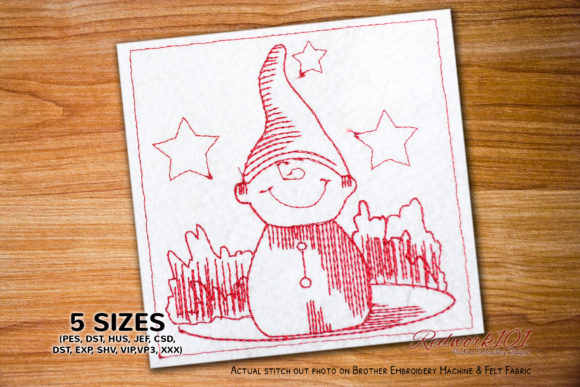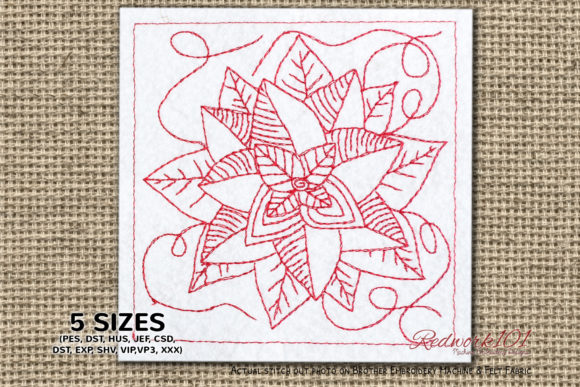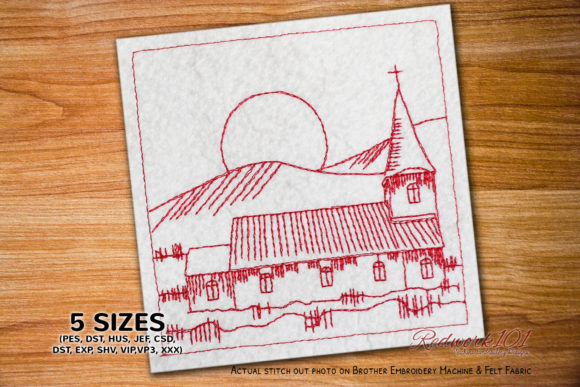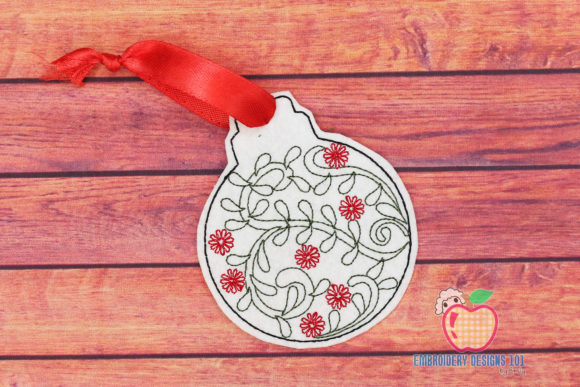
Christmas Elephant Lineart Design
A Practical Review for Small Business Embroidery Use
As an embroidery designer who’s developed hundreds of commercial designs for cafés, boutiques, bakeries, florists, and handmade brands, I approached the Christmas Elephant Lineart Design with a very specific question: *Does this work as functional brand identity—not just festive decoration?* The answer is yes—but with thoughtful execution. This isn’t just another holiday motif; it’s a versatile, scalable lineart concept that bridges seasonal charm with small business authenticity.
First Impression: Friendly, Handmade, and Professionally Minimal
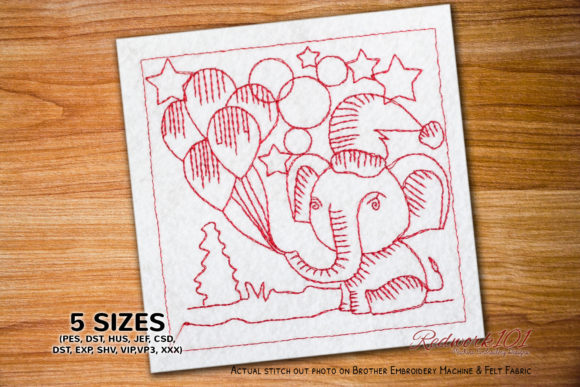
The title alone signals clarity: Christmas Elephant Lineart Design. No vague descriptors—just core elements. “Lineart” tells me immediately that detail will rely on clean outlines, not fills or gradients. That’s ideal for small business merch where crispness matters more than complexity. It reads as warm and playful (thanks to the elephant’s gentle silhouette), yet grounded enough for a local florist’s apron or a pet brand’s tote bag. It avoids looking overly cartoonish or corporate—landing squarely in the “handmade product” sweet spot many Etsy sellers and creative studios strive for.
Real-World Performance Across Merch Channels
In practice, the Christmas Elephant Lineart Design shines where consistency and legibility intersect:
- Embroidered patches: Its open line structure translates beautifully into woven or chenille patch formats—no risk of thread pile-up or fill distortion. Ideal for holiday gift sets or staff uniform accents.
- Apron embroidery & cap embroidery: At 2.5–3 inches wide, it holds shape on curved surfaces like cap fronts or apron pockets without losing definition. The absence of dense fills means fewer stabilizer layers needed—saving time and cost.
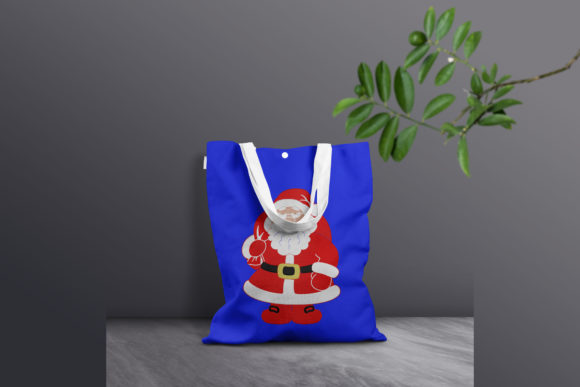
- Tote bag design & custom apparel: On natural canvas or cotton twill, the lineart reads clearly even at larger scales. Paired with subtle thread colors (navy, forest green, charcoal), it elevates everyday items into intentional brand assets.
- Product packaging accents & boutique merchandise: When stitched onto kraft paper tags, linen pouches, or ceramic mugs (via embroidered labels), it adds tactile warmth without overwhelming minimal packaging.
- Printable mockups & digital embroidery file use: Because it’s line-based, it converts cleanly to vector for client presentations—and holds up in low-res digital previews common in Etsy listings or wholesale pitch decks.
Where to Apply Caution—Not Limitation
This design excels—but not everywhere, and not without testing. Here’s where attention matters:
- Small patch sizes under 1.75 inches: Fine lines may merge or vanish on ultra-compact patches. Always run a black-and-white test stitch-out first.
- Cap fronts with deep curvature: The outer contour must be digitized with gentle pull compensation—especially if using the optional box stitch frame mentioned in the description.
- Dark uniforms or textured fabric: Contrast is critical. Avoid light ecru or pale gold thread on black denim unless you’ve confirmed visibility in real lighting.
- Frequent-wash items (e.g., café aprons): Lineart holds up well—but verify stitch density isn’t too sparse, which can lead to fraying over time. A balanced 8–10 satin stitches per inch works best.
Brand Identity Impact: More Than Just Holiday Cheer
For small businesses, the Christmas Elephant Lineart Design does double duty: it signals seasonality while reinforcing core brand values—playfulness, care, and approachability. An elephant subtly suggests memory, loyalty, and strength—resonant for pet brands, family-run bakeries, or wellness studios. Unlike generic snowflakes or bells, it offers visual distinction in crowded markets. Used consistently across staff caps, customer totes, and gift tags, it builds recognition faster than text-only logos. Customers remember how something *feels*—and this design feels handmade, intentional, and quietly joyful.
Practical Designer Notes Before You Stitch
Before committing to production, here’s what I always do—and recommend you do—with the Christmas Elephant Lineart Design:
- Test it in black and white first—no color assumptions. See how line weight holds up at your target size.
- Check if it works at your smallest intended patch size. If details blur, simplify or adjust line thickness digitally before digitizing.
- Review thread color contrast against your base fabric—not just on screen. Natural lighting changes everything.
- Inspect spacing between lines. Tight loops or intersecting strokes need extra underlay to prevent gaps.
- Confirm hoop size compatibility. If the optional box stitch frame is included, measure its outer dimensions—it may require a larger hoop than the elephant alone.
- Test on real fabric with your standard stabilizer. Linen, canvas, and twill behave differently—even with lineart.
- Create a physical mockup for client approval. A photo of the stitched sample on actual merchandise beats any digital proof.
- Compare it beside your other design assets. Does it share rhythm, weight, and scale with your existing logo or icon set?
- Verify commercial licensing. Since the product description notes the box stitch is optional and outer box color varies, confirm whether usage rights cover resale, distribution, or mass production—especially for Etsy sellers or wholesale partners.
The Christmas Elephant Lineart Design isn’t just embroidery—it’s a small business tool. When used with intention, it strengthens brand identity, invites customer connection, and turns seasonal moments into lasting impressions. Whether you’re stitching for a neighborhood café’s holiday aprons or a craft studio’s limited-edition tote collection, this design delivers quiet professionalism wrapped in festive charm. Just remember: great embroidery starts with smart review—not just pretty files.