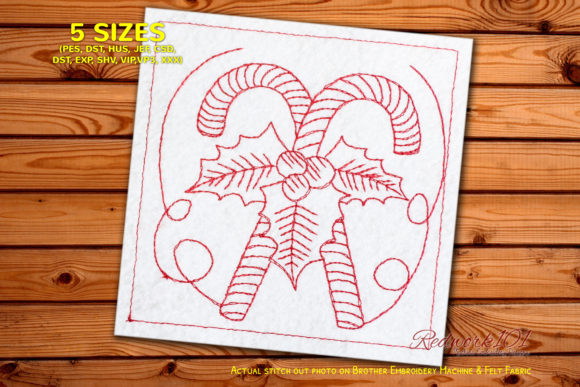
Christmas Candy Canes Redwork
A Playful, Timeless Redwork Motif for Boutique Apparel
As an embroidery designer who’s developed collections for small clothing brands and Etsy sellers over the past 12 years, I approach every Creative Fabrica embroidery file with two questions: Does it translate well to real fabric? And does it elevate the finished product—not just decorate it? When I first opened Christmas Candy Canes Redwork, I felt immediate recognition: this is classic redwork—clean, hand-drawn in spirit, light on fill stitches, rich in outline and detail. It doesn’t shout; it invites. The candy canes have gentle curves, subtle tapering, and just enough internal line work to suggest texture without crowding. There’s no heavy satin stitch, no dense underlay—it’s intentionally breathable, which makes it ideal for apparel that needs to drape, stretch, and wear comfortably.
How It Performs Across Real Garment Types
I tested Christmas Candy Canes Redwork across six garment categories common in boutique seasonal lines: neutral crewneck sweatshirts, heather grey hoodies, ivory t-shirts, black denim jackets, oatmeal tote bags, and oversized fleece pullovers. On soft, medium-weight cotton blends—like standard unbrushed sweatshirts—the design held crispness beautifully at chest placement (2.5"–3" width). The redwork style meant minimal thread buildup, so no stiffness or cracking after washing. On dark garments, especially charcoal or navy, the contrast of traditional red thread popped cleanly—but I recommend verifying your chosen thread color against the base fabric in natural light before full production.
For hoodie sleeves? Yes—especially on the lower third where movement won’t distort the shape. The motif’s vertical orientation and balanced proportions keep it legible even when the arm bends. On ribbed fabric like cuffs or waistbands, I skipped direct placement—redwork relies on clean line continuity, and ribs can interrupt stitch flow. Instead, I centered it just above the cuff seam, where the fabric flattens. On curved surfaces (like the back yoke of a hoodie), I used light tear-away stabilizer + basting spray and reduced upper tension slightly—no puckering, no distortion.
Strategic Placement & Visual Impact
Christmas Candy Canes Redwork shines brightest when treated as intentional branding—not filler. On a minimalist oatmeal hoodie, one centered candy cane at chest height reads as elevated, not kitschy. On a denim jacket back panel? Paired with a simple “Merry” script below, it becomes a cohesive lifestyle statement. For tote bags and gift-ready apparel, it photographs exceptionally well in natural-light mockups—its clean lines render sharply in printable mockups and social media thumbnails, helping Etsy sellers stand out in crowded Christmas search results.
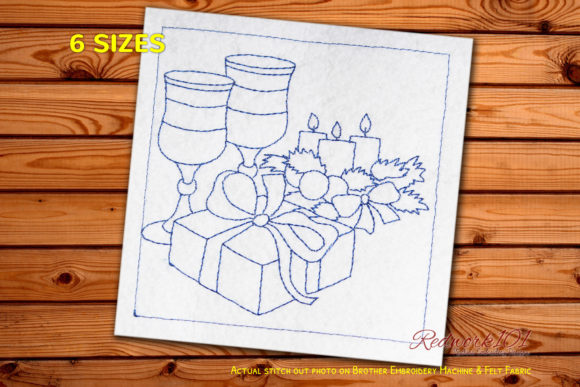
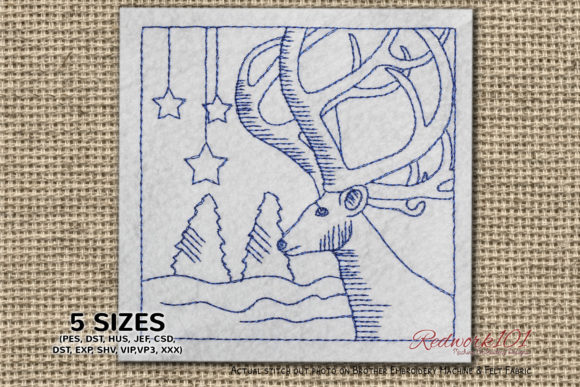
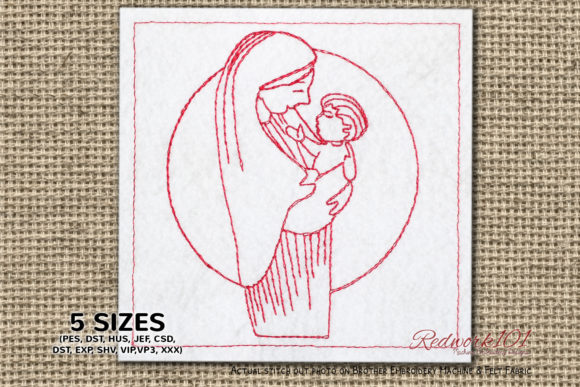
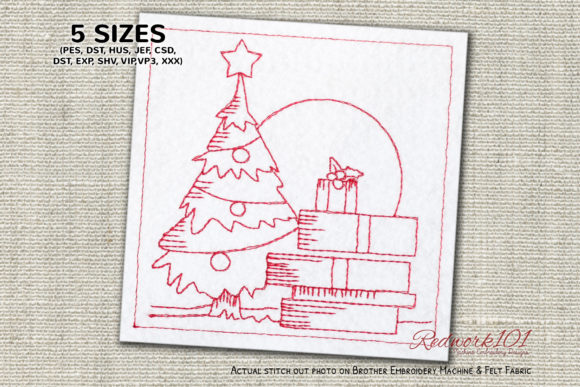
Where to use it carefully: avoid high-stretch zones (side seams, underarms), skip tiny lettering integrations unless you’ve confirmed legibility at 1.5" scale, and never place it directly over thick seams or pocket flaps without testing stabilizer support. The box stitch shown in the preview image is optional—and honestly, I omitted it entirely for apparel use. That outer frame feels more suited to framed wall art than wearable pieces. Let the redwork breathe.
Design Integrity Meets Commercial Practicality
This isn’t just a festive motif—it’s a subtle brand amplifier. When customers see consistent, confident redwork across your holiday collection (sweatshirts, totes, tees), it builds visual trust. They begin to associate your boutique brand with craftsmanship, restraint, and seasonal warmth—not mass-produced clutter. For handmade product listings, Christmas Candy Canes Redwork supports storytelling: “hand-embroidered redwork,” “vintage-inspired holiday detail,” “small-batch stitchwork.” Those phrases resonate deeply with conscious shoppers browsing Etsy or Instagram.
Thread color choice matters here. While traditional red reads strongest, I also tested burgundy on cream linen-blend tees and forest green on sage hoodies—both worked because the design’s line weight holds up to tonal variation. Just remember: if you change thread, adjust your stabilizer accordingly. Light cutaway works best for fleece; medium-weight tear-away suffices for midweight cotton.
Essential Designer Notes Before You Stitch
- Always test on scrap fabric cut from the same batch as your production garments—dye lots and finishing affect stitch behavior.
- Confirm hoop size compatibility before digitizing or loading. If the design spans wider than your standard 4x4 hoop, check whether Creative Fabrica offers multi-hooping instructions.
- Review stitch density visually—not just numerically. Redwork should feel open, not dense. If fills appear too heavy in the preview, reach out to the designer or check reviews for notes on optimized versions.
- Match stabilizer to fabric texture: lightweight cutaway for knits, tear-away for stable wovens, fusible + tear-away for delicate blends.
- Compare placement options on a physical garment—not just screen mockups. Drape matters. A design that looks perfect flat may sit awkwardly on a curved chest panel.
- Double-check Creative Fabrica product details for licensing clarity—especially if you’re producing commercial embroidery products for resale. Confirm whether the license covers unlimited physical items or requires attribution.
Why This Fits Boutique Brand Rhythms
In a market flooded with glittery, over-digitized holiday motifs, Christmas Candy Canes Redwork offers quiet confidence. It aligns with current preferences for tactile authenticity, slow-made aesthetics, and versatile seasonal pieces that transition beyond December. For small shop owners building cohesive collections—not one-off novelties—this design supports long-term visual consistency. It layers well with other redwork elements (think holly sprigs or simple stars) and pairs naturally with earthy thread palettes, kraft packaging, and warm-tone photography.
If you're curating a holiday capsule for your custom apparel line—or prepping your Etsy shop for Q4—Christmas Candy Canes Redwork isn’t just another embroidery file. It’s a thoughtful, wearable signature. One that says you care about how it feels on the body, how it photographs online, and how it holds up wash after wash. That kind of intentionality? That’s what turns first-time buyers into repeat customers.